















You're about to close your Series A. Your investor calls with one more requirement: technical due diligence. Your stomach drops. What exactly are they looking for? Will your tech stack hold up? And honestly, do you really need this?
Here's the truth: If you're raising money, planning an acquisition, or preparing for an IPO, you don't just need technical due diligence. You're not getting the deal without it.
But let me be more specific about when it matters, what it actually reveals, and when you might be overthinking it.
What Technical Due Diligence Actually Is
Technical due diligence isn't some mysterious audit designed to tear your company apart. It's a systematic evaluation of your technology, engineering practices, and technical team to answer one core question: Can this company's technology deliver on its promises?
Your investors need to know if your code is held together with duct tape or built on solid foundations. They want to see if your architecture can scale from 1,000 users to 100,000 without collapsing. They're checking whether your security practices will land them on the front page of TechCrunch for all the wrong reasons.

Think of it as a home inspection before buying a house. Sure, the place looks great from the outside. But what's happening behind the walls?
When You Absolutely Need It
Let me be direct: You need technical due diligence before any major corporate transaction. That's not a suggestion, it's reality.
Before Investment Rounds
Institutional investors won't write you a check without it. They're not being difficult. They're protecting their capital. I've seen deals fall apart in the final stages because founders thought they could skip this step or rushed through it carelessly.
Your Series A, B, or C investor is buying into your technology as much as your team or market. They need proof that you can execute. Technical due diligence is that proof.
Before Mergers and Acquisitions
Buying a company without technical due diligence is like buying a used car without looking under the hood. The acquiring company needs to understand what they're actually getting, and what technical debt they're inheriting.
If you're on the selling side, good technical due diligence results can actually increase your valuation. Clean code, solid architecture, and documented processes signal that you've built something sustainable.
Before an IPO
Public markets demand transparency. Technical due diligence at this stage is extensive and unforgiving. Your technology infrastructure needs to demonstrate enterprise-grade security, scalability, and reliability. There's no room for shortcuts.

The Real Risks of Skipping It
I've watched companies try to avoid or delay technical due diligence. It never ends well.
Deal-Killer Discoveries
Security vulnerabilities can crater your valuation overnight. Architectural bottlenecks that prevent scaling become negotiation weapons. Undocumented technical debt turns into reasons to walk away.
When these issues surface during due diligence, you lose negotiating power. The buyer or investor now has leverage. Your valuation drops or your terms worsen.
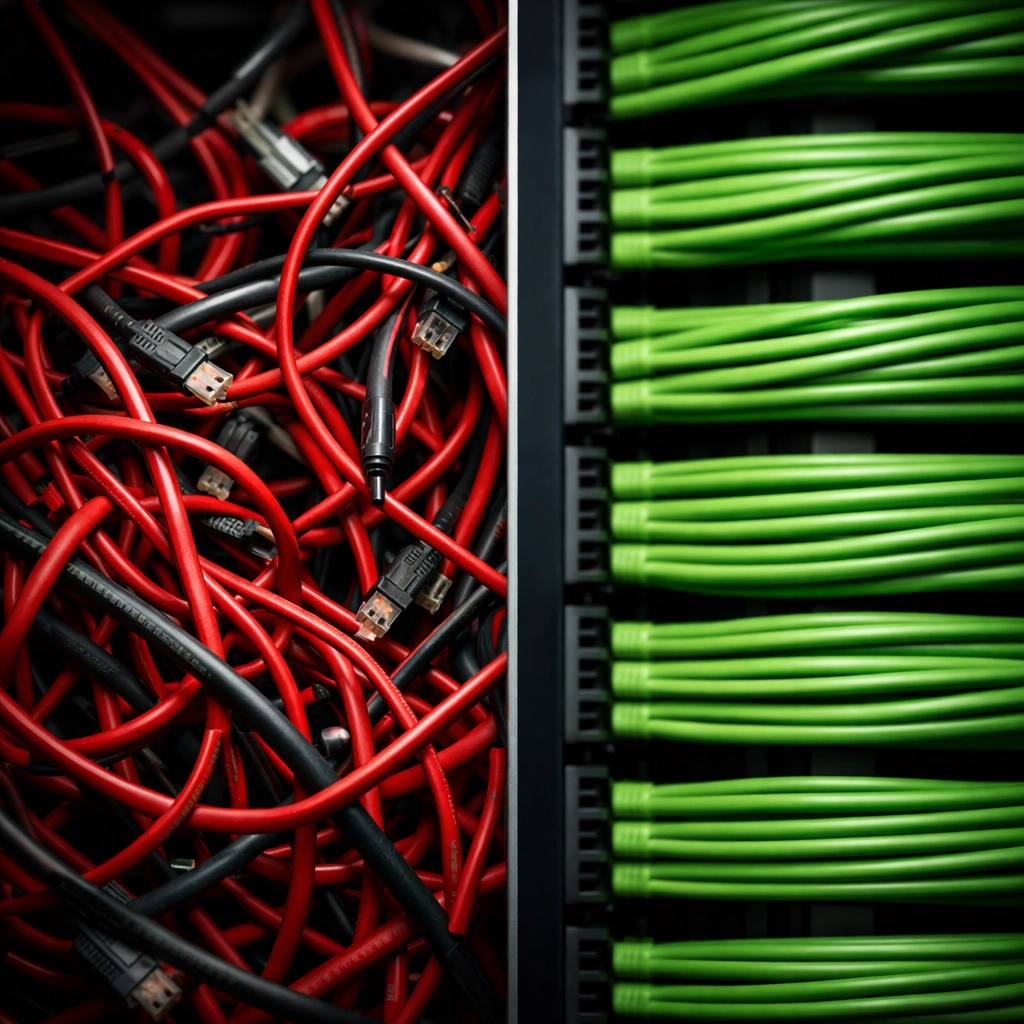
Hidden Technical Debt
Technical debt isn't inherently bad, every company has some. But unknown technical debt is dangerous. It's the difference between "we know this needs refactoring and have a plan" versus "we just discovered our core system won't scale past next month."
Due diligence surfaces these issues. You can't fix what you don't know about.
Team and Process Gaps
Sometimes the code is fine, but the team structure is a mess. No code reviews. No testing pipeline. No documentation. These process gaps become operational risks that investors care about deeply.
What Technical Due Diligence Actually Reveals
The value goes beyond checking boxes. Here's what a thorough technical due diligence process uncovers:
Your True Technical Value
Is your proprietary technology actually proprietary? Do you have defensible technical advantages? Or are you using off-the-shelf solutions that any competitor could replicate?
Investors need to know what makes your technology valuable. Due diligence separates real innovation from marketing claims.
Scalability Reality
Your product roadmap promises 10x growth. Your architecture needs to support it. Technical due diligence tests whether your current infrastructure can handle that growth without complete rebuilds.
I've seen startups with impressive traction discover they'd need to rewrite major systems to scale. That's expensive. Knowing this early lets you plan and budget appropriately.
Security Posture
Data breaches destroy companies. Security due diligence identifies vulnerabilities before they become disasters. It reviews your practices, your infrastructure, and your response plans.
Investors care about this intensely. One security incident can wipe out years of value creation.
Strategic Alignment
Does your technology strategy match your business objectives? Are you building the right things in the right order? Technical due diligence verifies that your technical decisions support your market strategy.

When You Might Not Need It (Be Honest With Yourself)
Let's be realistic. Not every situation demands full technical due diligence.
Pre-Seed and Small Angel Rounds
If you're raising $500K from angels who know you personally, formal technical due diligence is probably overkill. They're betting on you and your vision more than your current code quality.
But here's the nuance: Even if it's not required, smart founders do lightweight technical assessments anyway. You want to know your weaknesses before they become problems.
Internal Planning
You don't need external due diligence for internal planning. But you should be conducting regular technical assessments anyway. Think of it as preventive maintenance for your technology.
Non-Technical Acquisitions
If someone's acquiring your company purely for your customer base or brand, and explicitly not for your technology, due diligence might be minimal. But these situations are rare.
How to Prepare Before Due Diligence
Don't wait until an investor demands it. Prepare continuously.
Document Everything
Architecture decisions, technical debt, system dependencies, third-party integrations, document it all. Future you (and your investors) will thank present you.
Establish Strong Engineering Practices
Code reviews, automated testing, continuous integration, security protocols. These aren't bureaucracy. They're signals of a mature engineering organization.
Conduct Internal Audits
Bring in a business advisor to conduct regular assessments. Find problems early when they're cheap to fix. Don't wait for investors to discover them.
Be Honest About Technical Debt
Every codebase has technical debt. Investors know this. What they want to see is awareness and a plan. "Yes, we have debt here, and here's our remediation roadmap" is infinitely better than "what technical debt?"
The Bottom Line
Do you really need technical due diligence?
If you're raising institutional capital, planning an exit, or preparing for an IPO, yes. Absolutely. It's not optional.
If you're pre-seed or bootstrapping: maybe not formally, but you should be assessing your technology regularly anyway.
The companies that succeed treat technical due diligence as an opportunity, not an obstacle. They use it to validate their strengths, identify weaknesses early, and demonstrate maturity to investors.
Your technology is your competitive advantage. Technical due diligence proves it.
Need help preparing for technical due diligence or want to conduct an internal assessment before investors come calling? That's exactly what I do. Book a free intro call and let's make sure your technology is ready for scrutiny.